Sunday, January 4, 2015

Neglecting my creative side


Somehow, in the hustle and bustle of the fall semester, my more creative pursuits have fallen by the wayside.  I haven't picked up a crochet hook in over a year, haven't posted on this blog in months (though I have two drafts waiting to be finished and posted).  Even my usual holiday pursuit of baking a gazillion cookies fizzled for the first time in decades; I was lucky to roll out and bake the gingerbread dough that I managed to throw together at some point last month.

One thing that I have been doing pretty steadily is READING.  Reading for work and for personal pleasure.  Reading social media posts, blogs, online articles, holiday cards, and cookbooks. On Facebook, I posted a Christmas book-of-the-day every day from December first through the twenty-fifth, and have continued posting reading-related websites for the Twelve Days of Christmas (which ends tomorrow).  If anyone is reading this post and wants the lists of holiday books and reading websites, just comment below and I'll get them to you.

I've been reviewing how my 2014 played out, and laying plans for 2015.  The lack of creative pursuits stuck out like a sore thumb, so I'm going to work on blogging (and crocheting) more regularly.  I've also resolved to limit my spending to needs, which bodes well for the HUGE pile of to-be-read books that have taken over our coffee table, my nightstand, and in some areas, the floor.  More reading means more material for blog posts--a win-win!

Here are some of the recent books I've read:
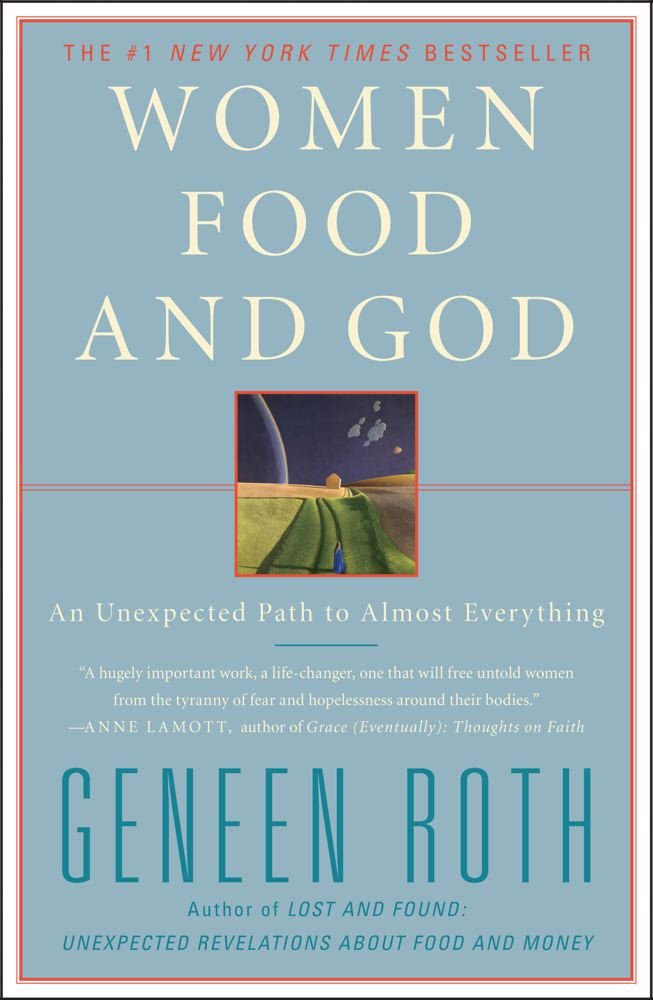

Women Food and God:  An Unexpected Path to Almost Everything by Geneen Roth


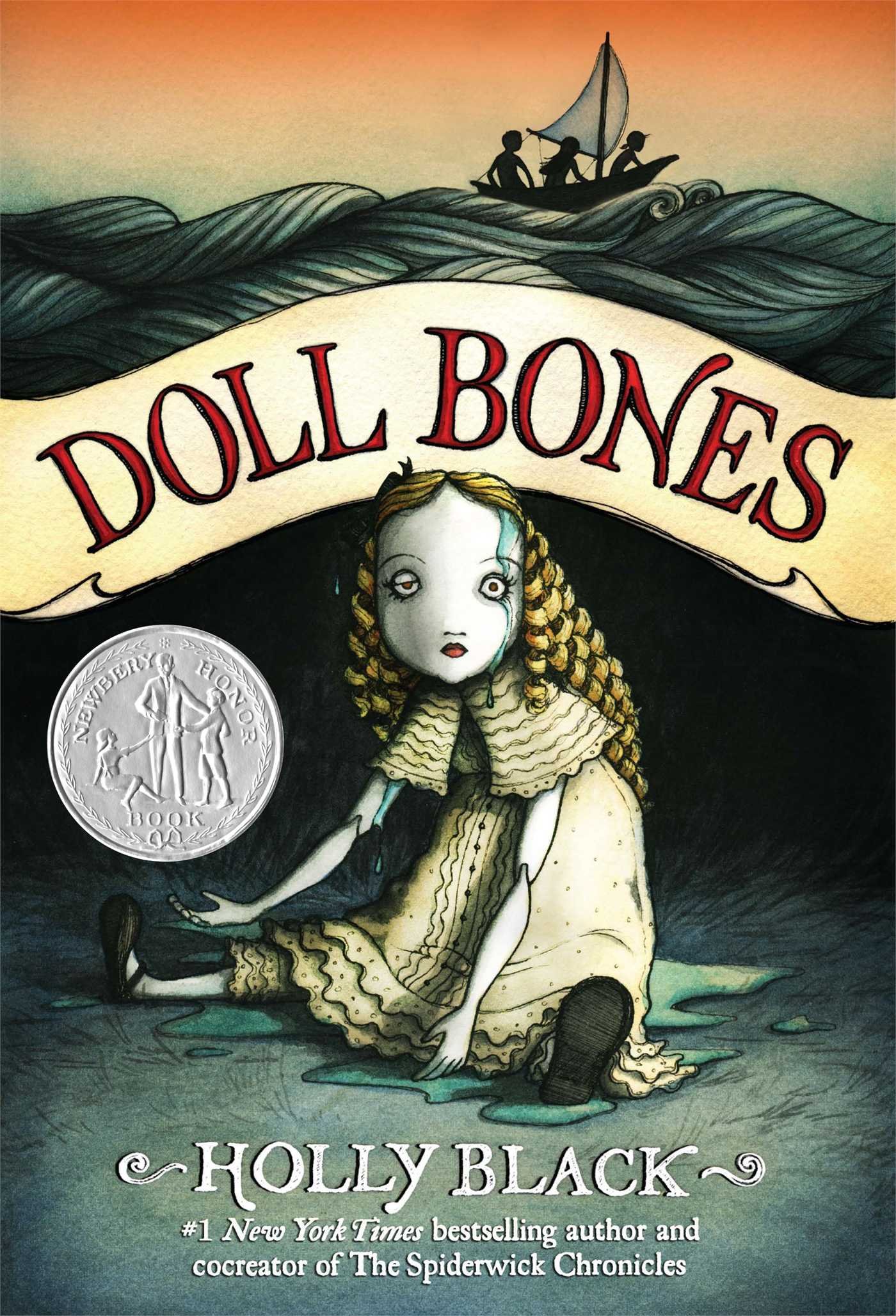
Doll Bones  by Holly Black


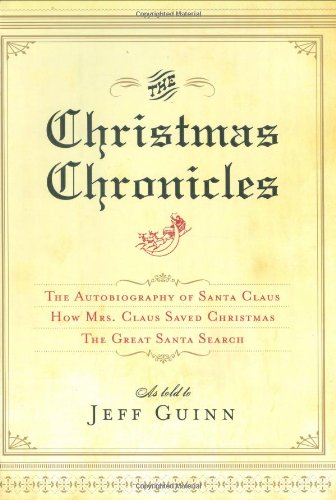
The Autobiography of Santa Claus by Jeff Guinn, as part of The Christmas Chronicles

 On my to-read pile:

Outliers:  The Story of Success by Malcolm Gladwell (I keep restarting this book, need to finish it!)
Open a World of Possible:  Real Stories About the Joy and Power of Reading edited by Lois Bridges

And those are just the tip of the iceberg...I'm sure I'll be reading much more fiction this coming semester as well.  What is your most recent favorite book to recommend?  What's next on your to-read pile?

(Crochet photo courtesy of Liz Lawley.)

Thursday, August 14, 2014

An icy way to end a summer day

Eighteen years ago, I lost my mother to ALS in the month of June.

So how could I pass up the ice bucket challenge issued by friends who, unfortunately, have felt the same sting of loss from this disastrous disease?

Add one more thing to the list of this librarian's summer activities:


And if you are so inclined--douse, donate, or both.  Let's find a cure for ALS.

ALS TDI:     http://www.als.net/

MDA:           http://mda.org/

#ALSIceBucketChallenge


Sunday, August 10, 2014

What I learned during my summer vacation: Professional edition

Wordle: CMM Summer Learning 2014  Yes, I went to six and a half days of professional development this summer.  Only two days are required by our district, but I am a glutton when it comes to learning.  

Here are my take-aways from the five full-day and three half-day courses I attended:


  • Gifted/ Talented Training, Module 1--There is no definitive description of a TAG student, as their traits and giftedness are varied.  They are likely to learn quickly and independently (but can have a dual exceptionality and qualify for remedial services).  Some TAG students are great at persevering, while others cringe at challenges they can't accomplish perfectly on the first try.  They may have high moral thinking, but poor social skills.  What sets them apart is their overall ease of learning and out-of-the-box thinking when it comes to standard school work.
  • Gifted/ Talented Training, Module 2--Identification of gifted students varies from student to student and school to school.  There must be qualitative and quantitative data to support the identification, and a minimum of three instruments should be considered.  Students qualify when their academic needs cannot be met within the general curriculum and classroom (much like special education services).  Identification should involve more than just cutoff scores on assessments and teachers' perceptions.  We also need to be sure to screen the whole student population, not just those referred, because many gifted students may be overlooked otherwise.  We got to review the assessments used by our district, which was fun!
  • Picture Perfect Science, K-2--This training was based on the professional resources Picture Perfect Science Lessons by Karen Ansberry and Emily Morgan. Each lesson is paired with picture books, using fiction and nonfiction titles.  The materials include the stem questions to ask while reading the books aloud to the class.  The presenters led us through some of the lessons, modeling how the book is used and guiding us through the hands-on labs.  We got to spend the last part of the day reviewing our district's curriculum to see when and where these materials were recommended for use. One of my campus' kindergarten teachers was there, and we were able to look up which books were to be used, see if we already had them in our library, and if not, I added them to my fall shopping list.  I also came up with the bright idea to record myself reading the books along with the stem questions, so that our large teams could use the recordings when books were in short supply!
  • Picture Perfect Science, 3-5--This training was similar to the K-2 presentation, but with higher level experiments and books.  I have to admit that it was fun doing hands-on labs again, especially ones that involved mud!
  • Campus Leadership Retreat--What a difference a year makes!  Last year, I attended the retreat as a complete newbie, and felt so out of the loop.  This year, it was a reunion with the colleagues who helped and encouraged me through my first year as a librarian.  I was able to meet my new instructional tech support person, and can tell already that she will help us continue to have fun while we learn in the library.  We also jigsaw-read The Energy Bus by Jon Gordon.  I was really motivated by the book when I read it last year, and I'm glad I got to revisit it with my colleagues.  I'm also happy to know that our new(ish) superintendent wants to continue focus on the "whole child" when we consider our curriculum, culture, and climate.
  • Creative Commons training--I've used Creative Commons to find images for my own projects.  This class gave me sources to use for teaching CC to my teachers and students--not only as consumers, but as producers of material.  We got to play with several creative applications like Movenote, WeVideo, and PicMonkey.  Lots of useful info to use in the upcoming school year!
  • Interactive Read-aloud--This was a nice piggyback to the Picture Perfect Science training, since it utilizes the same method to teach key concepts through read-alouds. Pre-reading books and priming with questions written on sticky notes throughout the text allow us to squeeze teachable moments out of minimal time.  It was also emphasized, though, that sometimes we just need to read aloud for the sake of hearing the story, not over-analyzing the text.  Poetry was suggested for use, and I was happy to see the presenters refer to The Poetry Friday Anthology as a resource; we have a copy on every team at my school.
  • Screencasting--Another fun tech class!  I didn't know we had a YouTube account connected to our school Gmail--and that we could upload video directly to it.  The ITS (instructional tech support) folks presenting the lesson showed us four different platforms we could use to create digital lessons with video and screenshots/ slides:  Educreations, Screencast-O-Matic, Screencastify, and Movenote.  There were several librarians there, and we talked about the different ways we could use screencasting--orientation videos, booktalks, learning stations...oh, the possibilities!  Now if I could just get comfortable recording myself on video...
I learned a lot in the classes I took, and hope to apply at least one thing from each class in my library teaching and program management this year.  Always grateful for the learning opportunities afforded by our district!

Saturday, August 9, 2014

The introverted librarian

Quick test to tell if you're more of an introvert or extrovert:

When you leave a large gathering of people (party, lecture, crowded store, concert) do you feel energized and ready for more, or drained and in need of quiet?

When you lack energy, do you seek out social stimulation, or prefer solitude to re-energize?

You've probably guessed that those who seek and gain energy from social stimulation tend to be extroverts, while those who feel drained and need solitude tend to be introverted.  I am definitely in the latter category.

This seems to surprise people, especially those I encounter in my workplace.  I can understand their confusion.  At work, I am talkative and engage others in conversation. I prefer to be out "on the floor" than tucked away in my office when classes are visiting, and make it a point to greet those who stop by for materials or even just to chat.  It's my duty as the librarian to make my learning community feel welcome in the space, and to be in tune with their preferences and needs; this is best accomplished by being present during their visits.  I am "on" pretty much the entire workday, and then some.  And I'm not faking it; I really do enjoy my job!

But when I come home...whoosh!  All that interaction takes its toll, and I'm like a deflated beach ball.  I'm ready for my usually quiet home environment, where I can take a power nap, collect my thoughts, and settle in for the evening.  In the mornings, I wake up especially early just so my day is started in silence, gathering up my quiet energy to serve my patrons. 

At first, I was worried about how tired I was at the end of the day. But then I realized that I was happy and tired.  I imagine it's similar to the way runners feel when they complete a marathon; you've given it all you've got, and you're proud of the accomplishment.  Most days, I've given the library all I've got.

Just don't ask me to Zumba with you after school.  A nice walk alone, or a chat with a neighbor or two, will suit me just fine.

And if you're up for a really good read on what introverts can bring to our typically noisy society, check out Susan Cain's book.  You might just find out you're a bit of an introvert, too!

Thursday, July 24, 2014

Social stories

http://www.flickr.com/people/jhaymesisvip/
Raise your hand, those of you who have summers "off" and spend a lot of your free time on social media.  I'm waving my hand high in the air, right along with you.

As is often the case, my morning walk spurred some thoughts, and this morning's walk in the rain got me thinking about my summertime Facebook hobby.  (Let's call it a hobby; addiction seems too strong a word for a seasonal pursuit!)  I read a lot on Facebook--my friends' updates from around the world, book reviews from my summer reading book groups, news reports, professional learning articles, funny memes.  Politics, literature, education, arts, and entertainment all contained within my daily newsfeed.

And all of these are stories.  Stories about trials, tribulations, and triumph.  Stories about the mundane routines of daily living, and the struggle to make sense of our rapidly expanding sense of global culture.  Stories about the wonders and exhaustion of parenting, the letting go of relationships and the burying of loved ones.  

These stories encapsulated in posts and comments are great seeds for writing!  Just last night, a friend who was posting in the wee hours of this morning (figure that one out, young student readers!) was lamenting over his insomnia and asking for lullabies.  The ensuing comments and links were heartfelt, hilarious, and historical, as commentators went from sleep suggestions to stories of their connections with the friend.  As I walked this morning, I thought about that thread, and what fun it would be to write a story about someone who couldn't sleep, asked for advice from his friends far and near, and then tried out their suggestions.  It would be a great interactive story for an e-reader, with links to recordings of lullabies and read-alouds, just as they were presented in the Facebook thread.

In special education, social stories are used to help students picture themselves in social situations so they can navigate them in an appropriate manner.  With story seeds from social media, we can give students yet another source of inspiration for their writing, one with which they literally connect.

Go ahead; check your Facebook feed.  Only now look at it with a writer's eye.  What stories are playing out on your screen today?  

Friday, July 11, 2014

Creativity, book choice, and makerspaces

If you are involved in educating children in any capacity--as a teacher, administrator, librarian, parent, grandparent, nanny--and you have 20 minutes, grab a cup of coffee and watch the following TED Talk by Sir Ken Robinson.  I promise he'll make you laugh--and think.  I'll share my thoughts on it below.


I've been in the education biz long enough to see the pendulum of pedagogy swing from one end to the other and back again.  

Whole language to phonics, back to whole language, back to picking apart text.

Math facts to math problem solving, back to math facts.    

Whole child to standardized test score expectations, back to....well, maybe it's starting to swing back.  Pushback against standardized testing and rigid curriculum is making the news.  There's been a few articles in my Facebook feed lately about creativity and the importance of play. An article from 2011 popped up just this morning, citing information from studies at MIT and  UC-Berkeley that seem to show that direct teaching can inhibit student exploration and problem-solving, while allowing children to explore learning situations on their own terms can often lead to creative solutions.

I've just begun reading a book on the subject called Play:  How It Shapes the Brain, Opens the Imagination, and Invigorates the Soul   by Stuart Brown and Christopher Vaughan. I'm only one chapter in, and the author has already cited evidence that engineers "who had played with their hands were adept at the kinds of problem solving that management sought.  Those who hadn't, generally were not." (p.11).  

Play was originally published in 2009. The TED Talk above?  2006.  And while I see evidence in my surrounding schools of creativity and exploration making their way back into the classroom, I am bombarded with news reports regarding bubble-in assessments and lock-step curriculum.  Why?

And what does this have to do with book choice?  Everything, because books can be a great catalyst for creative thinking.  Books allow children to experience other lives both real and fantastic.  They allow them to explore alternate ways to problem-solve through realistic fiction, and travel through time to make connections between past and present.  Books can provide the data they need to solve problems on their own terms.  Choosing the books that speak to them helps them hone their identity by revealing what feels true to them, and discarding what doesn't through informed decision-making.  

A colleague and I were just discussing the trend of makerspaces in the library. This is evidence that librarians, the very definition of book-pushers, are aware that we need to provide opportunities to respond to learning in creative ways, to take those ideas and information from the texts we hawk to communal creation and sharing.  

The best part of all of these studies and trends?  It's F-U-N.  We shouldn't have to feel guilty about having fun in our schools and libraries.  As the evidence is bearing out, play may be just the ticket for solving our biggest problems.


Wednesday, July 2, 2014

Those crazy, futuristic sci-fi writers

Summertime, and the thinking is easy...

Seriously, I'm pretty sure I think deeper thoughts in the summertime, unlike the school year when my mind is full of details like filling out book orders, engaging 40 classes a week, planning lessons, washing band shorts, and making lunches for the week.

Summertime also brings a renewed effort at improving my health.  Long walks in our peaceful, birds chirping-lawnmowers running-kids playing-dog walking neighborhood give me ample opportunity to think.

And there's been a lot to think about lately, with the latest news on the Middle East, SCOTUS rulings, daily updates on the state of education in the U.S., questions about our Bill of Rights, and all kinds of op-eds, blogs, and memes highlighting our differences and how we can't get along because of them.
Photo courtesy of swamp dragon on Flickr

Which is why, naturally, my thoughts turned to The Face of Boe (don't question the randomness, not sure where it came from) which in turn led me to think about those science fiction shows and writers featuring body-less aliens.  You know, the ones that have evolved to just brains, living and communicating and transporting themselves on brainpower alone.   Do you think the writers were dreaming of a world where we are able to function through reasoning, where messy details like gender, skin color, and basic needs like food and water didn't become platforms for politics and wars?

Science fiction is known for couching messages for social change within the fantastic, surreal stories of the present on altered worlds, or our future on this one.  My favorite TV example is the famous kiss between Captain Kirk and Lieutenant Uhura of the original "Star Trek" series, aired in 1968 when interracial relationships were just barely accepted in the eyes of the law, much less in popular culture.  

I encountered yet another example of strong social and political messages when reading The Forgotten Door (Key, 1965) with my fifth graders this year (anti-war, anti-racism) and my re-reading of A Wrinkle in Time (L'Engle, 1962), which isn't technically sci-fi but does lean toward it.  L'Engle includes messages about valuing the lessons from several different religions as well as the uniqueness of individuals and the importance of choosing our own life paths.  Both books were right in line with the civil rights and social movements of their time.

The futures both books speak to must be post-2014...because fifty years later, we're not quite there yet.  Not that I want to be a floating brain, either...after all, how would one enjoy a salted caramel milkshake without a mouth?